


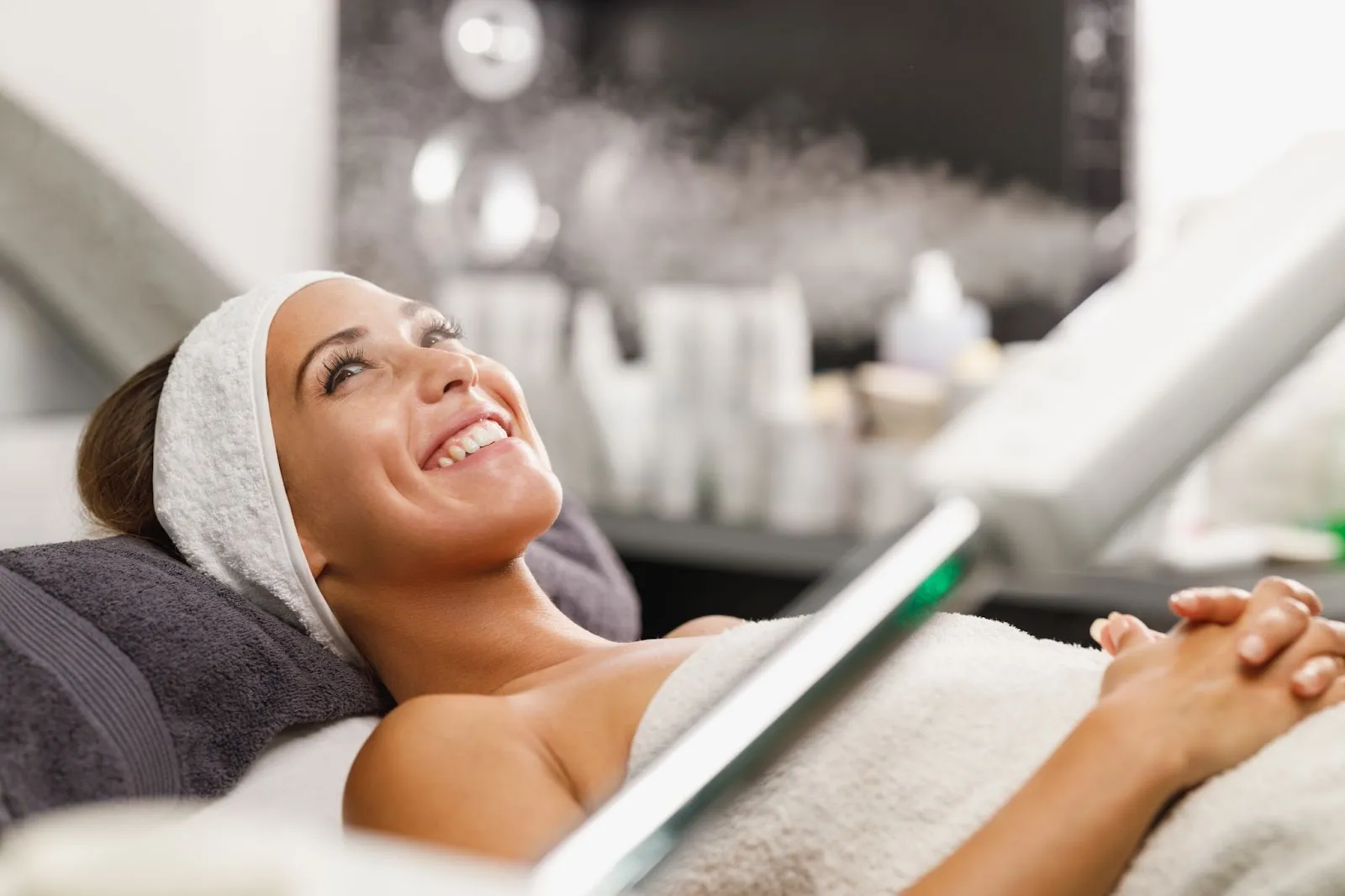
A PRP facial is a regenerative skin treatment designed to support skin health at a deeper level. While many facials focus on surface appearance, PRP works by encouraging the skin’s natural repair and renewal processes over time.
When people explore facial treatments in Charleston & Mt Pleasant, SC, it’s easy to assume they all work in similar ways. In reality, different treatments are designed to influence different aspects of aging and skin health. Some offer immediate cosmetic refreshment, while others are intended to strengthen the skin itself and support long-term improvement.
PRP facials fall into that second category. Rather than aiming for a quick visual change, they focus on helping the skin function better in a more sustainable way. Understanding how PRP works, what it’s designed to improve, and who it’s best suited for can help set clear expectations and make treatment decisions feel more informed and intentional.
What is a PRP Facial?
A PRP facial is a regenerative skin treatment that uses platelet-rich plasma to support the skin’s natural repair processes. PRP stands for platelet-rich plasma, which is derived from a small sample of your own blood and processed to concentrate platelets that play a role in healing and tissue regeneration.
In a facial treatment, PRP is applied to the skin, often alongside techniques such as microneedling, to help deliver these growth factors where they can support renewal at a deeper level. Rather than targeting surface concerns alone, PRP is designed to work with the skin’s biology to encourage gradual improvement from within.
Because PRP comes from your own body, it is considered a biologic, regenerative approach rather than a cosmetic one. The goal is not an instant or dramatic change, but steady improvement in overall skin quality as the skin responds to consistent stimulation and repair.
This makes PRP facials a different category of treatment, one focused on supporting how the skin functions over time, not just how it looks immediately after a single session.
How PRP Facials Work With Your Skin
Once PRP is introduced to the skin, the focus shifts from definition to response. The concentrated platelets release growth factors that help signal activity related to collagen support, tissue renewal, and overall skin resilience. These signals work beneath the surface, influencing how the skin repairs and strengthens itself progressively.
Because this process builds with repeated treatments, PRP facials don’t create an overnight change. Instead, improvements tend to build with time and consistency, showing up as smoother texture, more even tone, and skin that feels stronger and healthier overall.
Many people assume Botox is the starting point for facial aging, and for concerns related to muscle movement, it can be helpful. PRP facials address something different by focusing on the skin itself, rather than altering how facial muscles move.
A helpful way to think about PRP is similar to how you might approach fitness. Lasting change doesn’t come from a single session, but from consistent stimulation followed by recovery. PRP supports the skin in that same way, making it a natural fit for those focused on long-term skin health rather than quick fixes.
Expected Results from a PRP Facial
PRP facials are often chosen to address visible concerns such as fine lines, early wrinkles, dullness, uneven tone, and skin that feels less firm or resilient than it once did. As the skin’s repair processes are supported, many people notice smoother texture, brighter-looking skin, and a more refreshed appearance that develops naturally over time.
As renewal becomes more consistent, skin tone often appears more even and balanced, with improved firmness and resilience as collagen support increases.
Rather than producing a dramatic or immediate effect, PRP helps the skin build a healthier foundation. This translates into skin that looks more balanced, feels firmer, and responds better to other treatments and skincare routines.
These results are subtle by design. PRP facials are best understood as an investment in long-term skin health, supporting improvements that develop progressively rather than all at once.
Is a PRP Facial Right for You?
PRP facials are often a good fit for individuals who are focused on improving overall skin quality rather than seeking an immediate cosmetic change. They are commonly chosen by people who want to support healthier skin and prefer a regenerative approach that works with the body’s natural processes.
Many patients consider PRP when they notice changes in skin texture, tone, or firmness, or when their skin no longer responds the same way to surface-level treatments alone. PRP can also be appealing for those interested in proactive skin care and long-term maintenance rather than short-term fixes.
Because PRP uses components from your own body, it is often well suited for individuals looking for a biologic treatment option. As with any treatment, the best way to determine whether a PRP facial is appropriate is through a personalized consultation that takes your skin goals and overall health into account.
Frequently Asked Questions About PRP Facials
How many PRP facial treatments are typically recommended?
PRP facials are often recommended as a series to support gradual improvement in skin quality. The exact number and timing of treatments depend on individual skin goals and how the skin responds over a series of sessions.
When will I start to see results from a PRP facial?
Because PRP works with the skin’s natural regenerative processes, results develop gradually. Some people notice early changes within a few weeks, while continued improvement is often seen over the following months.
Is there downtime after a PRP facial?
Downtime is usually minimal. Temporary redness or sensitivity may occur, especially when PRP is combined with microneedling, but most people return to normal activities shortly after treatment.
Can PRP facials be combined with other treatments?
PRP facials are often incorporated into broader skin care plans. A personalized consultation can help determine how PRP may complement other treatments based on your goals and skin needs.
Is a PRP facial safe?
PRP uses components from your own blood, which reduces the risk of allergic reaction. As with any medical or aesthetic treatment, PRP facials should be performed by a qualified provider following proper protocols.
A Thoughtful Approach to Skin Health
PRP facials offer a regenerative approach to skin care that focuses on long-term skin health rather than immediate cosmetic change. By working with the body’s natural repair processes, PRP supports gradual improvements in skin quality, texture, and resilience over time.
Choosing the right facial treatment starts with understanding your goals and how different options work. For those interested in strengthening the skin itself and building results through consistency, PRP can be a thoughtful addition to a long-term skin care plan.
As with any treatment, the best outcomes come from personalized guidance. Schedule a consultation with our experts to evaluate your skin, discuss expectations, and determine whether a PRP facial aligns with your needs and overall approach to skin health.