
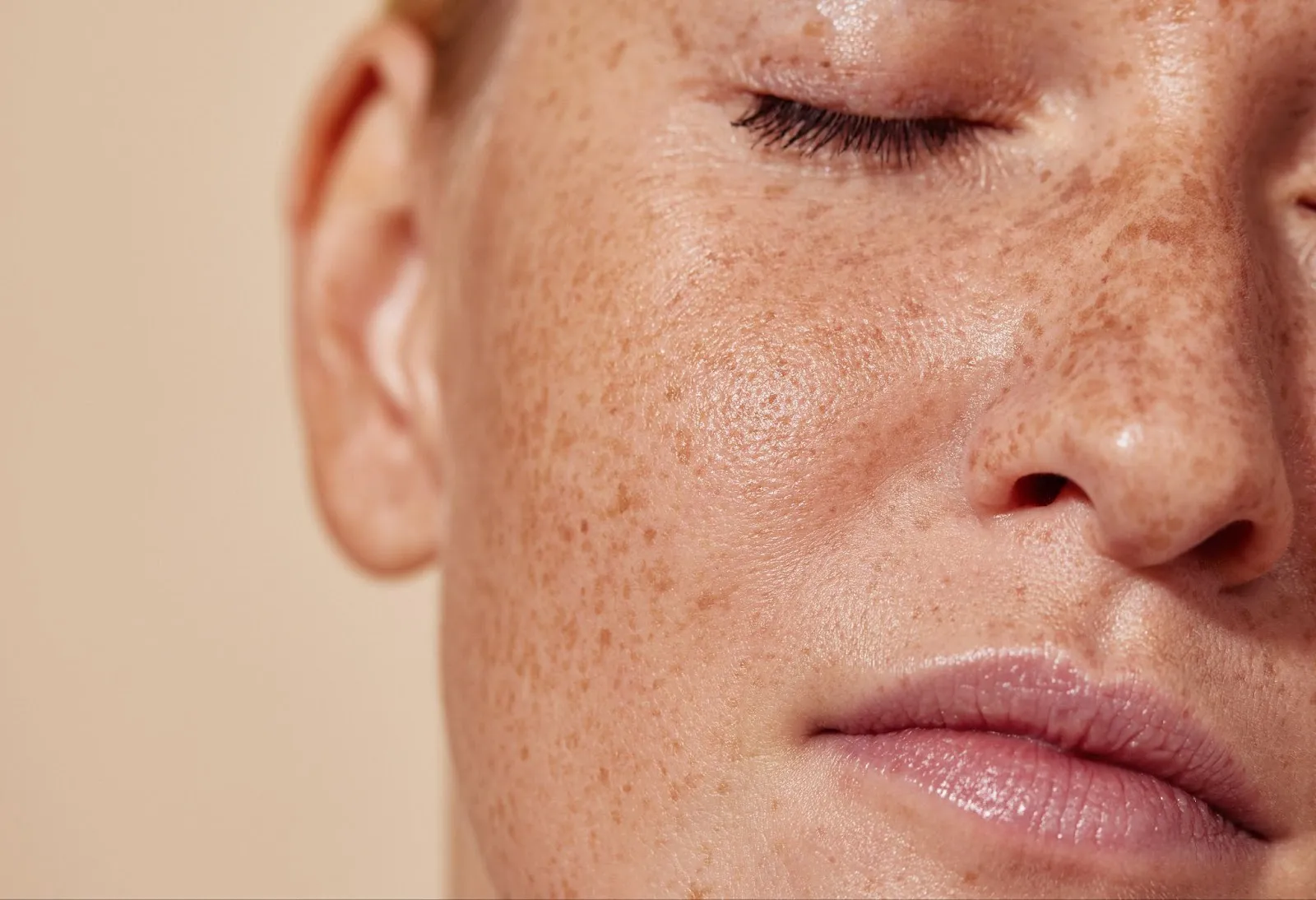
If you have been searching for the best melasma treatment, you have likely realized there is no single solution that works for everyone. Melasma is a complex form of pigmentation that can fade and return depending on factors like sun exposure, hormones, heat, and inflammation.
That is why many people see temporary improvement, but struggle to maintain results long-term. Treating melasma successfully often requires a thoughtful approach that supports the skin while targeting pigment safely, especially for more sensitive skin types.
Instead, the best melasma treatment plans focus on breaking up pigment safely, calming inflammation, supporting skin renewal, and maintaining results with the right care between treatments. In this guide, we will walk through what actually works for melasma and how to keep your results long-term.
What Is Melasma?
Melasma is a common skin condition that causes brown or gray-brown patches to appear on the face. It most often shows up on the cheeks, forehead, upper lip, and jawline, and it typically appears in larger, softer-edged areas rather than small, defined spots.
One reason melasma can be so difficult to treat is that it is rarely caused by just one factor. Sun exposure is a major trigger, but heat, inflammation, and hormonal changes can also contribute to how persistent it becomes. That is why melasma is commonly associated with pregnancy and postpartum shifts, and why it can sometimes return even after it seems to improve.
Melasma can also behave differently depending on your skin tone. People with medium to deeper complexions may be more prone to post-inflammatory hyperpigmentation, which means the skin can darken after irritation or overly aggressive treatments. This is one reason choosing the right melasma treatment plan matters, especially when lasers are involved.
The good news is that melasma can improve significantly with the right approach. Once you understand what is driving it, it becomes much easier to choose treatments that support clearer, more even-looking skin over time.
Why Melasma Often Returns After Treatment
Melasma has a reputation for coming back because it is not just a surface-level pigment issue. Even when discoloration fades, the underlying triggers that contributed to melasma in the first place can still be present. Sun exposure, heat, hormonal fluctuations, and inflammation all have the potential to reactivate pigment production, especially if the skin is already prone to melasma.
This is also why many people see short-term success with a single product or treatment, only to feel discouraged a few months later. Some approaches focus only on “lifting” pigment quickly without considering how easily melasma can be retriggered. In some cases, treatments that generate too much heat or irritation can lead to rebound pigmentation, making the discoloration appear darker or more noticeable over time.
Melasma is also highly individualized. What works for one person may not be the best option for another, depending on skin tone, sensitivity, lifestyle, and whether hormones are playing a role. That is why the best melasma treatment plans tend to focus on more than one step. They target pigment safely, minimize inflammation, and support the skin through consistent maintenance.
Next, let’s look at what long-term melasma improvement actually requires.
What Actually Works for Melasma Long-Term
The most effective melasma treatment is rarely a single product, peel, or one-time laser session. Because melasma is influenced by multiple triggers, long-term improvement usually requires a plan that addresses more than just the visible pigment on the surface.
In most cases, the best results come from a treatment approach that focuses on four key goals. First, it needs to safely break up and reduce existing pigment without overstressing the skin. Second, it should calm inflammation, since irritation and heat can make melasma more stubborn and more likely to return. Third, it should support healthy skin renewal so that tone and texture improve gradually in a controlled way. And finally, it should include pigment-suppressing support and consistent aftercare to help maintain results between treatments.
Just as important, the plan should match your skin type and sensitivity level. Melasma-prone skin tends to respond best to treatments that are precise, controlled, and designed with long-term skin health in mind. That is why aggressive, high-heat approaches are not always the best option, especially for patients who have dealt with recurring pigmentation in the past.
Is Laser Treatment Safe for Melasma?
If you feel hesitant about treating melasma with lasers, you are not alone. A lot of people worry that laser treatment will make their pigmentation worse, especially if they have tried something in the past that caused irritation, sensitivity, or a flare-up afterward.
That concern is valid. Melasma is not the same as surface-level sun spots, and it does not respond well to overly aggressive treatments. When the skin experiences too much heat or inflammation, it can trigger more pigment production, which may lead to rebound discoloration. This is also why some people feel like they have to choose between “doing nothing” or taking a risk with treatments that feel too intense.
The good news is that laser treatment for melasma does not have to be harsh to be effective. With the right technology, settings, and treatment plan, lasers can be used in a more controlled way that supports the skin while targeting pigment. This is especially important for melanin-rich skin types, where minimizing irritation can make a major difference in both safety and long-term results.
Ultimately, the goal is not to chase the fastest change possible. The goal is to choose an approach that improves melasma gradually and helps keep it from returning, without putting unnecessary stress on the skin.
Below is Aurae’s four-step melasma treatment approach and how each step supports long-term improvement.
Aurae’s Four-Step Melasma Treatment Approach
At Aurae Med Spa, melasma is treated with a structured, multi-step protocol designed to improve discoloration while keeping the skin supported throughout the process. Instead of relying on one aggressive treatment to “blast” pigment, this approach focuses on treating melasma in layers, helping the skin respond more steadily over time.
This melasma treatment plan is typically completed as a six-session series, with sessions spaced about once per month. For best results, most patients should plan on one session per month for about six months. That timeline is intentional. Melasma can be persistent and easy to retrigger, so consistency matters more than intensity. Each step in the protocol is selected to target pigment, calm inflammation, and support long-term stability so results are more likely to last.
Below is a high-level look at Aurae’s four-step approach and how it works together to support clearer, more even-looking skin.
Step 1: Break Up Pigment with 1064nm Laser Technology
The first step focuses on breaking up pigment in a controlled way using 1064nm laser technology. This wavelength is commonly used for pigment concerns because it can target deeper discoloration while remaining appropriate for a variety of skin tones when applied correctly.
Rather than overheating the skin, the goal of this step is to break pigment into much smaller particles that the body can gradually clear over time. This is an important distinction for melasma, because treatments that create too much heat or irritation can increase the risk of rebound pigmentation.
Step 2: Calm Inflammation to Reduce the Risk of Rebound Pigment
Because melasma is closely linked to inflammation, the second step is designed to calm the skin after pigment is targeted. This step helps reduce the inflammatory response that can contribute to recurring discoloration.
By supporting the skin barrier and reducing irritation, this part of the protocol helps create a more stable environment for melasma improvement and makes the overall treatment process better tolerated for many patients.
Step 3: Support Skin Renewal with Laser Microneedling
The third step uses laser microneedling to support controlled skin renewal. This step is designed to encourage healthier turnover and overall improvement in the look of tone and texture, which can be helpful when melasma has been present for a long time.
Rather than being overly aggressive, the goal here is to stimulate renewal in a way that supports long-term skin health while complementing the pigment-focused steps in the protocol.
Step 4: Add Tranexamic Acid Support to Maintain Results
The final step focuses on maintaining results and reducing the chance of melasma reactivation. Tranexamic acid is commonly used in melasma treatment plans because it can help suppress pathways that contribute to excess pigment production.
When paired with consistent treatment and the right at-home care, this step helps support a more stable result and reinforces the long-term goals of the full protocol.
Melasma Treatment Downtime and Recovery Expectations
One of the most common questions about melasma treatment is what recovery looks like afterward. While every patient’s experience can vary based on skin sensitivity and the exact treatment plan, most people can expect a short healing window as the skin calms and resets.
In general, downtime may last up to about five days. During that time, it is normal to experience temporary redness, mild swelling, dryness, or a slightly rough texture as the skin begins to recover. Some patients also notice that pigment looks darker before it looks lighter, which can be part of the normal process as discoloration surfaces and clears.
The most important part of recovery is protecting the skin while it heals. That means following your provider’s post-care instructions closely, avoiding heat and direct sun exposure, and using gentle, supportive products as recommended. This helps reduce irritation and supports the long-term success of your melasma treatment plan.
If you are unsure what level of downtime is appropriate for your schedule, your provider can help you plan treatments around travel, work events, or other timing considerations so you feel comfortable every step of the way.
How to Maintain Melasma Results at Home
Professional treatments can make a major difference in improving melasma, but long-term results depend heavily on what you do between sessions. Because melasma is often influenced by ongoing triggers like UV exposure, heat, and inflammation, consistent at-home care is one of the most important parts of keeping your skin clear and even.

The first priority is daily sun protection. Even minimal sun exposure can worsen melasma over time, especially if the skin is healing or more reactive. Wearing broad-spectrum sunscreen every day and reapplying as needed is one of the simplest ways to protect your results. Hats, shade, and avoiding peak sun hours can also help reduce flares, particularly during warmer months.
Gentle skincare matters, too. Melasma-prone skin tends to respond best when the barrier is supported, not constantly irritated. A consistent routine with calming, nourishing products can help reduce inflammation and prevent the cycle of sensitivity that often makes pigmentation harder to manage. This is why many patients benefit from a more supportive, plant-based aftercare approach after treatment, especially during recovery windows.
It is also important to avoid triggers that can overheat or stress the skin. For some people, this includes long periods in direct sun, frequent sauna use, or high-heat workouts without proper sun protection. Melasma does not always flare for the same reasons in every person, but learning what triggers your skin can help you keep results more consistent long-term.
When melasma is treated with a plan and maintained with the right habits, results tend to look more stable and last longer. Think of at-home care for Melasma as the foundation that helps everything else work better, including professional treatments.
Frequently Asked Questions About Melasma
What is the best melasma treatment?
The best melasma treatment is usually a multi-step plan, not a single product or one-time procedure. Because melasma is influenced by factors like UV exposure, heat, inflammation, and hormonal shifts, long-term improvement typically requires both professional treatment and consistent at-home care to help maintain results.
What is the best laser for melasma?
There is no one “best” laser for every case, but melasma generally responds best to laser approaches that are controlled and designed to minimize excess heat and inflammation. Choosing the right technology, settings, and treatment plan matters, especially for patients who have sensitive skin or a history of pigment returning after treatment.
Can laser treatment make melasma worse?
In some cases, yes. Melasma can worsen if the skin becomes overly irritated or inflamed, which is why aggressive or high-heat treatments are not always the best option. A safer approach focuses on precision, controlled energy, and a plan that supports the skin throughout treatment and recovery.
How long does it take to see results from melasma treatment?
Many patients begin to notice improvement after the first few sessions, but melasma results typically build over time. For best results, consistency is key, and treatment plans are often structured over several months to support long-term change without overwhelming the skin.
Does melasma go away after pregnancy?
Sometimes melasma fades on its own after pregnancy, but not always. Hormonal shifts can trigger pigment that lingers for months or becomes easier to retrigger later on. If postpartum melasma does not improve on its own, professional treatment and consistent sun protection can help support clearer, more even-looking skin.
Is melasma permanent?
Melasma is often considered a chronic condition, which means it can be managed successfully but may return if triggers are reintroduced. The goal of treatment is long-term control and visible improvement, along with maintaining results through sun protection, the right skincare routine, and consistent treatment when needed.
Your Next Step Toward Clearer Skin
Melasma can be one of the most frustrating pigment concerns because it is influenced by more than just sun exposure. Hormones, heat, and inflammation can all play a role in how persistent it becomes, and that is why long-term improvement usually comes from a thoughtful plan rather than a quick fix.
The best melasma treatment combines the right professional approach with consistent maintenance at home. When pigment is treated safely, inflammation is controlled, and the skin is supported through the process, results tend to look more even, more stable, and easier to maintain over time.
At Aurae Med Spa, melasma care is personal. Laura understands firsthand how emotionally and physically exhausting melasma can be, and that experience helped shape a treatment philosophy focused on long-term results and skin health.
If you are ready to take the next step, we invite you to schedule a melasma consultation at Aurae. We will help you understand what is driving your pigmentation and create a plan designed to support clearer, more confident skin long-term.