


May is Skin Cancer Awareness Month, and it is a good reminder that skin protection is not just a summer conversation. It is a daily one.
Skin cancer is the most common cancer in the United States. According to Emory University’s Winship Cancer Institute, 1 in 5 Americans will develop some form of skin cancer by the time they reach age 70. The encouraging news is that most skin cancers are highly preventable, and the habits that offer the most protection are simpler than you might think. They are also the kind of habits that work best when you build them into your everyday routine, not just on beach days or pool weekends.
Below, we are sharing five skin cancer prevention tips that go beyond the basics: practical, evidence-backed guidance you can weave into your existing routine starting this summer.
1. Daily Sunscreen Habits
If you build only one habit this year to reduce your risk of skin cancer, make it this one. The American Academy of Dermatology recommends wearing a broad-spectrum sunscreen with an SPF of 30 or higher every single day, regardless of season or weather. UV rays penetrate clouds, reflect off water, sand, and pavement, and reach your skin during everyday activities like walking to your car, sitting near a window, or running errands.
Daily, consistent use is what actually moves the needle. Saving sunscreen for beach days alone misses the bigger picture of how UV damage accumulates over time.
Mineral vs. Chemical Sunscreen
Both mineral and chemical sunscreens offer legitimate UV protection, but they work differently. Chemical sunscreens absorb UV rays and convert them into heat. Mineral sunscreens, formulated with zinc oxide or titanium dioxide, sit on top of the skin and physically deflect UV rays.
We tend to favor mineral formulas at AURĀE. They are less likely to cause irritation or trigger sensitivities, which makes them a strong choice for reactive skin or skin that is recovering from a treatment. Zinc oxide in particular offers broad-spectrum protection across both UVA and UVB wavelengths, making it one of the most reliable single ingredients for daily sun defense.
Why Tinted Mineral Sunscreen Is Worth Considering
Tinted mineral sunscreen has quietly become one of our favorite recommendations. The light coverage evens skin tone and gives a polished finish, while the iron oxides in the tint offer additional protection against visible light. That extra layer of defense is especially valuable if you are managing hyperpigmentation or melasma, both of which can be triggered by visible light in addition to UV.
For many people, a tinted mineral SPF can completely replace the need for a separate foundation or BB cream in summer, which leads us nicely into the next tip.
2. Summer Skincare Adjustments
Summer changes how your skin behaves, and your routine should change with it. Heat increases oil production, sweat disrupts how products sit on the skin, and longer days mean more cumulative UV exposure. A few small adjustments like getting personalized facials can make a meaningful difference in how your skin looks and feels through the warmer months.
Stay Hydrated, Inside and Out
Hydrated skin maintains a stronger barrier, and a strong barrier is better equipped to handle environmental stress like heat, humidity, and UV exposure. Drink water consistently throughout the day, and support hydration topically with a lightweight, non-comedogenic moisturizer that will not feel heavy or congested in the heat.
Lighten Up on Makeup
Heavy foundation layered over sweat is a recipe for clogged pores and breakouts. In summer, consider dialing back to a tinted mineral SPF as your base instead. You get coverage, sun protection, and a much lighter feel in a single step. Your skin can breathe, your routine gets simpler, and you are protecting yourself from UV exposure at the same time.
If you do wear makeup, choose non-comedogenic, breathable formulas and avoid the temptation to layer heavy products on top of one another. The goal is to support your skin, not suffocate it.
3. Protective Ingredients to Prioritize
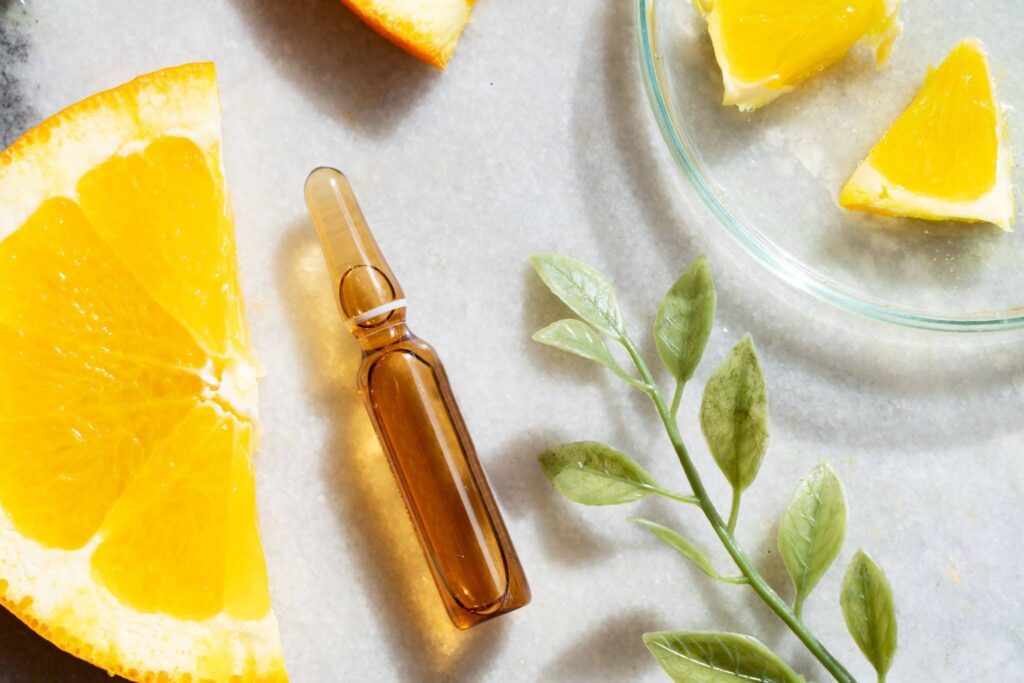
Sunscreen is the foundation of skin cancer prevention, but the right supporting ingredients can give your skin a meaningful second layer of defense against UV-induced damage. Two stand out as particularly worth prioritizing in summer.
Vitamin C
Vitamin C is one of the most well-studied antioxidants in skincare. When applied in the morning underneath your sunscreen, it helps neutralize free radicals generated by UV exposure before they can damage skin cells. Research published in PubMed shows that topical vitamin C can help prevent erythema and sunburn cell formation after UV exposure, making it a strong companion to your daily SPF rather than a replacement for it.
Beyond UV defense, vitamin C also supports collagen production, helps fade existing sun damage, and brightens uneven tone over time. It is one of the most worthwhile additions to a summer routine.
Niacinamide
Niacinamide, a form of vitamin B3, is a quietly versatile ingredient that earns its spot in summer skin care for several reasons. It strengthens the skin barrier, helps regulate oil production, calms redness and inflammation, and provides antioxidant support against environmental stress.
It also pairs beautifully with vitamin C. While vitamin C addresses UV-induced free radical damage, niacinamide reduces inflammation and supports the repair process. Together, they give your skin both a defensive and a recovery-focused boost.
Consistency Is the Real Key
Protective ingredients only work when you actually use them. A simple, consistent morning routine of cleanser, vitamin C, niacinamide, moisturizer, and SPF will outperform an elaborate routine used sporadically. Skin health rewards repetition, and the habits that protect you in summer are the same ones that pay off all year long.
4. Ingredients to Use More Gently in Summer
Some of the most effective skincare ingredients also make your skin more sensitive to the sun. Summer is a good time to reassess how you are using them, not necessarily to stop, but to use them with more care while UV exposure is at its peak.
Ease Up on Exfoliating Acids
Alpha-hydroxy acids like glycolic and lactic acid, and beta-hydroxy acids like salicylic acid, work by accelerating cell turnover. That can leave fresher, more vulnerable skin closer to the surface, which is part of why they work so well for texture and clarity, and also why they can leave skin more sensitive to UV damage.
In summer, consider scaling back the frequency. Twice a week is often plenty, and applying acids in the evening only gives your skin time to recover before facing daytime UV exposure.
Pull Back on Retinol If Your Skin Is Reacting
Retinol is one of the most effective ingredients available for skin renewal, but it increases photosensitivity and can cause irritation in warmer months, especially when combined with heavy outdoor activity or sweat. If you notice your skin becoming red, flaky, or more reactive than usual, it is worth scaling back to every other night or pausing temporarily.
Always apply retinol in the evening, and always follow with SPF in the morning. The point is not to abandon your actives. It is to use them in a way that supports your skin barrier instead of working against it during the season when your skin needs the most protection.
5. Focus on Your Nighttime Routine
Daytime skin care is all about protection. Nighttime skin care is where repair happens.
While you sleep, your skin shifts into recovery mode, working to repair some of the oxidative stress and barrier disruption caused by UV exposure, heat, pollution, and inflammation throughout the day.
A thoughtful evening routine helps support that natural repair process, especially during summer when cumulative sun exposure tends to be higher.
Prioritize Barrier-Repair Ingredients
Two categories of ingredients are especially helpful at night: ceramides and peptides.
Ceramides are naturally occurring lipids that make up a large portion of your skin barrier. Sun exposure, over-exfoliation, and environmental stress can gradually deplete them, leaving skin more prone to dryness, irritation, and inflammation. Using a ceramide-rich moisturizer in the evening helps reinforce the barrier, reduce water loss, and improve your skin’s ability to recover overnight.
Peptides work differently. These amino acid chains act as signaling molecules that support processes like collagen production and skin repair.
While they are not a substitute for sunscreen or other preventive measures, they can help improve resilience and support healthier-looking skin over time, particularly when used consistently.
Think Recovery, Not Aggressive Treatment
Summer is often not the ideal season for an overly aggressive nighttime routine. Instead of layering multiple strong actives together, focus on recovery and balance. Skin that is chronically irritated or inflamed is less resilient overall, and protecting the integrity of your skin barrier matters just as much as chasing short-term results.
A simple evening routine can be remarkably effective:
cleanser, hydrating serum, ceramide-based moisturizer, and targeted treatments only as needed.
Give Your Skin Time to Recover
Quality sleep matters, too. Skin repair processes are closely tied to your body’s circadian rhythm, and chronic sleep deprivation has been linked to impaired barrier function and slower recovery from environmental stressors. Good skin care products help, but your skin still benefits most when your overall recovery systems are supported as well.
Nighttime skin care may not get the same attention as SPF, but healthy, resilient skin is better equipped to handle the cumulative stress that comes with everyday sun exposure.
Putting It All Together
Skin cancer prevention does not require an overhaul of your routine. It requires consistency. Daily sunscreen, smart summer adjustments, the right protective ingredients, a gentler hand with actives, and a conversation about oral nicotinamide if you are at higher risk. None of these habits are complicated on their own, but together they add up to meaningful, long-term protection.
Skin Cancer Awareness Month is a useful reminder, but the real work happens in the small choices you make every day for the rest of the year.
Ready to Take Skin Cancer Prevention Seriously?
Whether you are looking to refine your daily routine, address existing sun damage, or talk through whether oral nicotinamide makes sense for you, we are here to help.
Schedule a consultation at AURĀE Modern Medical + Spa in Mount Pleasant, SC, and let’s build a skin health plan that fits your life.