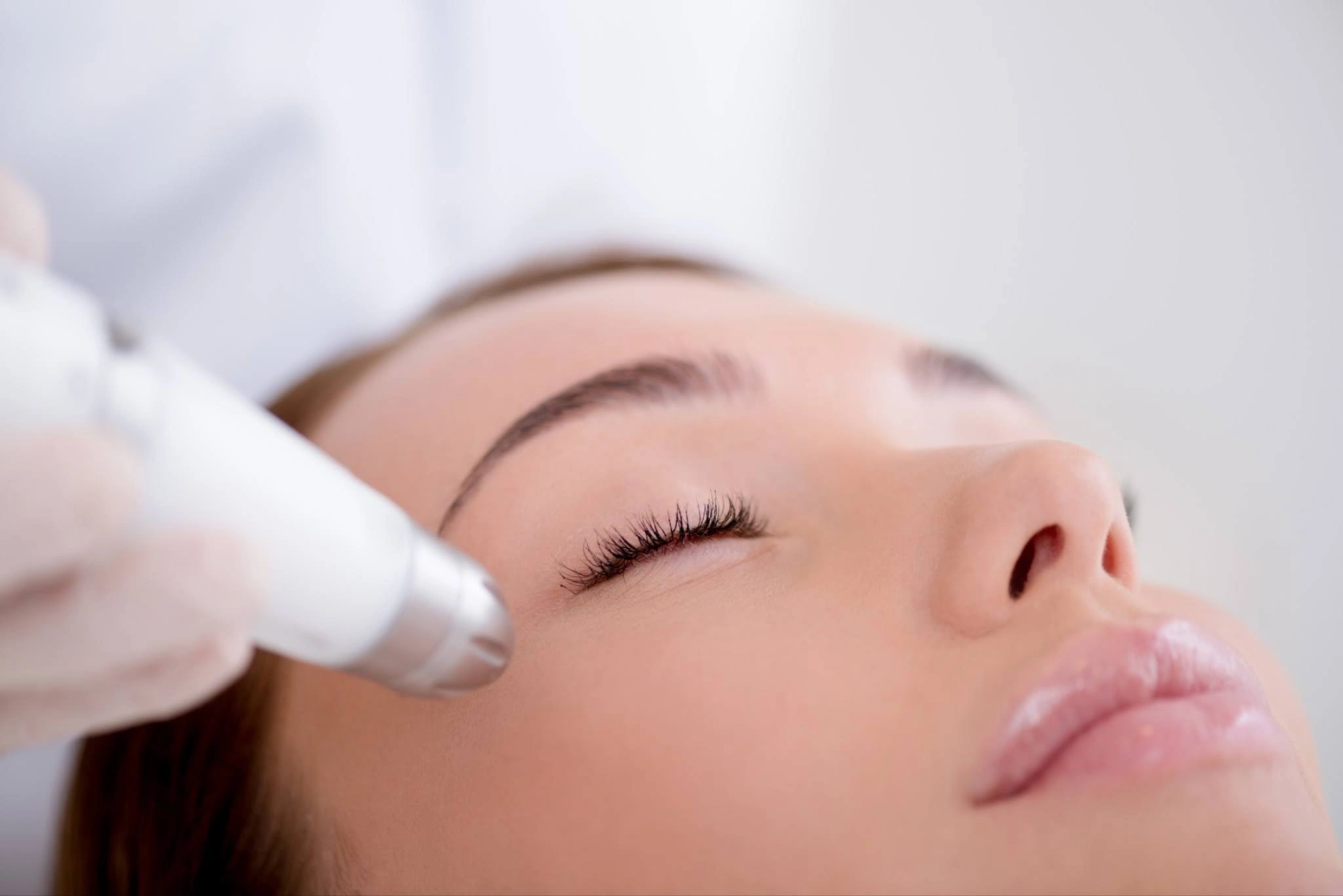


Many women don’t notice aging happening gradually. They notice it all at once. Makeup sits differently than it used to. The jawline looks a little softer. The under-eyes seem hollow even after a full night’s sleep. And the skin itself looks duller, more uneven, or more sun-damaged than it did just a few years ago.
If that sounds familiar, you are not imagining things. And you are not alone.
The question we hear most often isn’t ‘what treatment should I try?’ It’s a more basic one: why does my face look different? The answer matters, because how you look younger depends entirely on understanding what has actually changed.
Research published in the Aesthetic Surgery Journal describes facial aging as a three-dimensional process involving changes to bone, soft tissue, and skin simultaneously, not just the appearance of wrinkles on the surface. For women, hormonal shifts during perimenopause and menopause can make these deeper changes accelerate and become visible in a relatively short period of time.
In this article, we walk through why the face changes with age, which signs women tend to notice first, and which treatments at AURĀE are designed to address each one. Because the right starting point is never a treatment menu. It’s understanding what your skin actually needs.
Why Does Your Face Change as You Age?
Facial aging is not one problem. It happens across multiple layers of the face at the same time, which is why a single treatment rarely solves everything.
A 2021 systematic review published in Scientific Reports defines skin aging as both intrinsic and extrinsic, meaning it is shaped by your biology and by environmental exposures that accumulate over a lifetime. Both are happening at once, and both contribute to what you see in the mirror.
Here is what changes, and where:
Collagen and elastin decline
Starting in your mid-twenties, collagen production slows by roughly one percent per year. Skin becomes thinner, less resilient, and less able to bounce back from expression and movement.
Cell turnover slows. Skin that once renewed itself efficiently becomes duller, drier, and less even in tone and texture as the pace of natural exfoliation declines.
Fat pads shift and shrink
The face has distinct compartments of fat that give it volume and support in youth. With age, those compartments descend and deflate, creating hollows under the eyes, flattening the cheeks, and softening the jawline.
Bone remodeling occurs beneath the surface
According to the Aesthetic Surgery Journal review, facial aging begins at the deepest layer, with bone. The orbital rims, jaw, and midface all undergo gradual resorption over time, changing the structural foundation that everything above it depends on.
Repeated muscle movement etches lines
Dynamic expression lines from smiling, squinting, and frowning become permanent over time as the skin loses its ability to fully smooth back out.
Hormonal changes accelerate the process
Research published in the Journal of Cosmetic Dermatology found that skin collagen content declines in closer correlation with menopausal age than chronological age, at an average rate of 2.1 percent per postmenopausal year over a 15-year period. Estrogen loss also affects skin hydration, elastin, and the skin’s ability to repair itself.
Sun exposure compounds everything
The Scientific Reports review identifies UV exposure as one of the most significant modifiable risk factors for skin aging, contributing to pigmentation changes, collagen breakdown, texture irregularities, and increased skin cancer risk.
At What Age Does Your Face Change Most?
There is no universal answer, but there are patterns most women recognize.
In Your 30s
Fine lines begin to appear, particularly around the eyes and between the brows. Skin may look less luminous than it once did. Early pigmentation from previous sun exposure starts to surface. This is often the decade where preventive habits make the greatest long-term difference. DiamondGlow facials, medical-grade skincare, consistent SPF use, and light microneedling can support skin quality and slow the visible pace of change.
In Your 40s
Texture changes become more noticeable. Volume begins to shift in the cheeks and under-eye area. Expression lines deepen. Pigmentation becomes more visible. For many women, perimenopause begins during this decade, which can make skin feel drier, less elastic, and less even seemingly overnight. Neuromodulators, microneedling, and targeted skincare become more relevant in this decade.
In Your 50s
Menopause-related changes often become most visible here. Skin may feel thinner or drier. Laxity along the jaw and neck becomes more apparent. Deeper expression lines may no longer fully soften at rest. A more comprehensive approach, combining collagen-stimulating treatments, laser resurfacing, neuromodulators, and fillers where appropriate, tends to produce the most balanced, natural-looking improvement.
In Your 60s and Beyond
Sun damage is often more advanced. Skin on the face, neck, chest, and hands may appear thinner and more fragile. Treatment priorities shift toward skin quality, safety, comfort, and natural results. Strategic maintenance becomes the focus.
The 6 Most Common Signs of Facial Aging
1. Fine Lines and Wrinkles
Not all wrinkles are the same. Dynamic lines appear with movement and fade when the face is at rest. Over time, those same lines become etched into the skin and remain visible even when the face is relaxed.
Neuromodulators like Botox, Xeomin, and Dysport address dynamic wrinkles by temporarily relaxing the muscles responsible for expression lines. For lines that have already settled into the skin’s surface, CoolPeel or Tetra Pro CO2 laser resurfacing can improve texture and soften the appearance of those etched lines. Microneedling supports ongoing collagen production, which helps the skin maintain its resilience between treatments.
2. Volume Loss and Hollowing
When the fat compartments of the face shift and deflate, the result is not just sagging. It is a loss of the three-dimensional structure that makes a face look youthful and rested. Cheeks flatten. Shadows appear under the eyes. Nasolabial folds deepen. The jawline softens.
Dermal fillers using hyaluronic acid-based products can restore contour and soften shadows without a done or obvious appearance. Radiesse, a calcium hydroxylapatite filler, is used both for immediate volume in deeper areas and as a biostimulator, supporting the skin’s own collagen production over time.
The goal in this kind of treatment is never to fill the face. It is to restore support, rebalance proportions, and help the face look like itself again.
3. Sun Spots, Uneven Pigmentation, and Redness
Charleston’s UV index reaches extreme levels from May through August, with midday burn times as short as ten minutes for unprotected skin. Over years of outdoor living, boating, beach days, and even daily errands, that cumulative exposure shows up as sun spots, hyperpigmentation, uneven tone, redness, and accelerated texture changes.
The Scientific Reports systematic review identifies UV exposure as one of the most significant modifiable contributors to visible skin aging. That makes sun protection both a prevention and a skin health strategy, not just a skincare step.
For existing pigmentation, Fotona laser treatment addresses melasma and hyperpigmentation at the source. Laser skin resurfacing can improve the appearance of age spots and sun damage more broadly. DiamondGlow is a strong maintenance option for brightness and ongoing tone evening between treatments. For a deeper discussion of protecting your skin from Charleston’s sun, our skin cancer prevention guide covers daily SPF and beyond.
4. Dullness and Rough Texture
As cell turnover slows and the skin’s surface becomes less even, it reflects light differently. Skin that once looked smooth and luminous can start to look flat, rough, or tired. This is often one of the first changes women notice and one of the most responsive to treatment.
A DiamondGlow facial exfoliates the surface, clears impurities, and infuses customized SkinMedica serums in a single treatment, with no downtime and visible brightness immediately. Microneedling improves texture over a series of sessions by stimulating collagen through controlled micro-injury. CoolPeel offers more visible resurfacing for women whose texture concerns go beyond what a facial can address.
5. Skin Laxity and Crepey Texture
Laxity is different from wrinkles. It is the gradual loosening of skin along the jaw, under the chin, on the neck, and elsewhere. It happens because of collagen and elastin loss, bone remodeling beneath the surface, and the effects of gravity over time. Skin also becomes thinner and more papery in texture as estrogen levels decline.
Tetra Pro CO2 laser resurfacing stimulates collagen at a deeper level and is particularly effective for more significant laxity, crepey texture, and surface irregularities. CoolPeel is a lighter option for women who want collagen-stimulating results with minimal downtime. Radiesse used in a hyperdiluted technique can also support skin quality and elasticity in appropriate areas. Microneedling and PRP together offer a gradual, regenerative approach for women who prefer to build results over time.
6. Aging on the Neck, Chest, and Hands
One of the most common things we hear is that a woman’s face looks refreshed but her neck or hands give away her age. These areas age for the same reasons the face does, but they are often undertreated because the focus stays on the face alone.
Laser skin resurfacing can be applied to the face, neck, decolletage, and hands. Radiesse can address volume loss and skin thinning on the hands. PRP therapy can be used across the face, neck, and hands as part of a regenerative skin quality plan.
Matching the Right Treatment to the Right Concern
Concern |
Recommended Treatments at AURAE |
|
Expression lines and dynamic wrinkles |
Botox, Xeomin, Dysport |
|
Etched or settled fine lines |
CoolPeel, Tetra Pro CO2, Microneedling |
|
Volume loss, hollowing, facial contouring |
Dermal Fillers, Radiesse |
|
Sun damage, age spots, pigmentation |
Laser Resurfacing, Fotona, DiamondGlow |
|
Melasma |
Fotona Laser, tailored skincare protocol |
|
Skin laxity and crepey texture |
Tetra Pro CO2, CoolPeel, Radiesse, Microneedling |
|
Dullness and rough texture |
DiamondGlow, Microneedling, CoolPeel |
|
Skin quality and regeneration |
PRP Therapy, Microneedling + PRP, Medical-Grade Skincare |
|
Neck, chest, and hands |
Laser Resurfacing, Radiesse, PRP |
What Treatment Should You Try First?
If you want a quick refresh before an event
A DiamondGlow facial delivers immediate brightness, hydration, and a cleaner surface with no downtime. If you are also considering Botox, plan that at least two weeks ahead so results have time to settle naturally.
If you want to soften expression lines
Botox, Xeomin, or Dysport are the most direct option. Results typically appear within a few days and last three to four months on average. Consistent treatment over time means results tend to look smoother and more natural.
If your face looks tired or hollow
Volume loss is often the culprit when a face looks persistently tired or older than it feels. A consultation to assess which areas have shifted, and by how much, is the right starting point. Dermal fillers or Radiesse may be considered depending on the area and depth of the concern.
If your main concern is sun damage or uneven texture
CoolPeel or Tetra Pro CO2 resurfacing addresses texture, tone, and surface damage with results that continue improving as collagen rebuilds. The right option depends on the degree of sun damage and your available downtime.
If your skin looks dull, dry, or uneven
DiamondGlow, microneedling, PRP, and a medical-grade skincare plan can all contribute to improved skin quality. These treatments work well together as part of an ongoing maintenance approach.
If you have pigmentation or melasma
Melasma requires careful diagnosis before treatment, because heat, hormones, and sun exposure can all trigger recurrence. The type of pigmentation matters. A consultation helps identify whether Fotona laser, a topical protocol, or a combination approach is most appropriate for your skin.
Why a Personalized Consultation Matters
Different signs of aging have different causes. Two women of the same age can walk in with completely different concerns, completely different anatomy, and completely different goals. The right treatment plan depends on all of it.
Some treatments are better suited to certain skin tones or types. Downtime is a real consideration. Budget matters. And for natural-looking results, sequencing matters, meaning which treatments you do first, how often, and in what order all affect the outcome.
Over-treatment is a real risk when treatments are chosen without full context. Under-treatment is equally common when women try one thing hoping it will solve everything, then feel discouraged when it doesn’t.
At AURAE, Dr. Laura Glaser brings a doctorally prepared, board-certified clinical perspective to every consultation. With credentials spanning women’s health, geriatrics, oncology, and aesthetics, she approaches facial aging the way it should be approached: as a whole-person conversation, not a menu of options.
A consultation is where that conversation starts.
Example Treatment Plans for Charleston Women
These are not prescriptions. They are illustrative examples of how we might think through a plan together.
“I want to look fresher, but I am nervous about injectables.”
Start with a consultation and DiamondGlow to see what consistent skin maintenance can do. Add medical-grade SPF and a skincare routine tailored to your skin. Microneedling or a light CoolPeel may follow when you are ready.
“I look tired even when I am not.”
Persistent tiredness in the face is often about volume and shadow, not just sleep. A consultation to assess facial structure is the right first step. Dermal fillers or Radiesse may restore the contour that makes a face look rested. DiamondGlow or resurfacing can then address skin quality alongside that.
“My biggest issue is sun damage.”
Sun protection first, always. Then a conversation about laser resurfacing or Fotona treatment depending on the type and depth of pigmentation. DiamondGlow for maintenance and brightness. Our skin cancer prevention guide is also worth reading as a companion resource.
“I want a more complete refresh.”
Neuromodulators for dynamic lines. Fillers or Radiesse for support and contour. CoolPeel or Tetra Pro CO2 for texture and pigment. Maintenance facials or microneedling to keep skin quality improving between sessions.
Frequently Asked Questions
At what age does your face change most?
There is no single answer, but many women notice the most visible shifts in their 40s and 50s. This is when collagen decline, hormonal changes, facial volume shifts, and cumulative sun exposure begin to show together, often in a shorter window of time than expected.
How can I look younger without looking overdone?
Choose treatments that match the actual cause of the concern. Neuromodulators soften expression lines. Fillers restore support and contour. Laser resurfacing improves texture and pigmentation. Natural-looking results typically come from a balanced, sequenced plan rather than doing too much of any one thing.
What is the best treatment for aging skin over 50?
It depends entirely on the concern. For dynamic wrinkles, neuromodulators may be appropriate. For volume loss, fillers or Radiesse. For texture and sun damage, laser resurfacing. For overall skin quality, microneedling, PRP, DiamondGlow, and medical-grade skincare can all play a role. Most women benefit from a combination.
Is Botox or filler better for looking younger?
They treat different things. Botox, Xeomin, and Dysport relax the muscles that create expression lines. Fillers restore volume and contour. Many patients benefit from both, depending on their anatomy and goals.
Can med spa treatments help with sun damage in Charleston?
Yes. Laser skin resurfacing, Fotona treatment, and DiamondGlow can all improve the appearance of sun spots, uneven tone, texture, and fine lines caused by UV exposure. That said, consistent sun protection is essential for anyone living in Charleston’s high-UV environment, and helps preserve the results of any treatment.
What treatments help aging hands?
Radiesse and laser skin resurfacing are options that may improve the appearance of aging hands. PRP therapy is also used for hand rejuvenation at AURAE.
Is CoolPeel a good option for mature skin?
CoolPeel can be a strong option for women who want smoother texture, brighter tone, and fine-line improvement with less downtime than deeper resurfacing. For more advanced sun damage or significant textural concerns, Tetra Pro CO2 may be the more appropriate choice. A consultation helps determine which level of resurfacing fits your skin.
Ready to Look Younger with a Customized Treatment Plan?
Schedule a consultation at AURAE Modern Medical + Spa in Mount Pleasant. We will assess your skin, talk through your goals, and create a personalized plan for natural-looking skin rejuvenation in the Charleston area.