


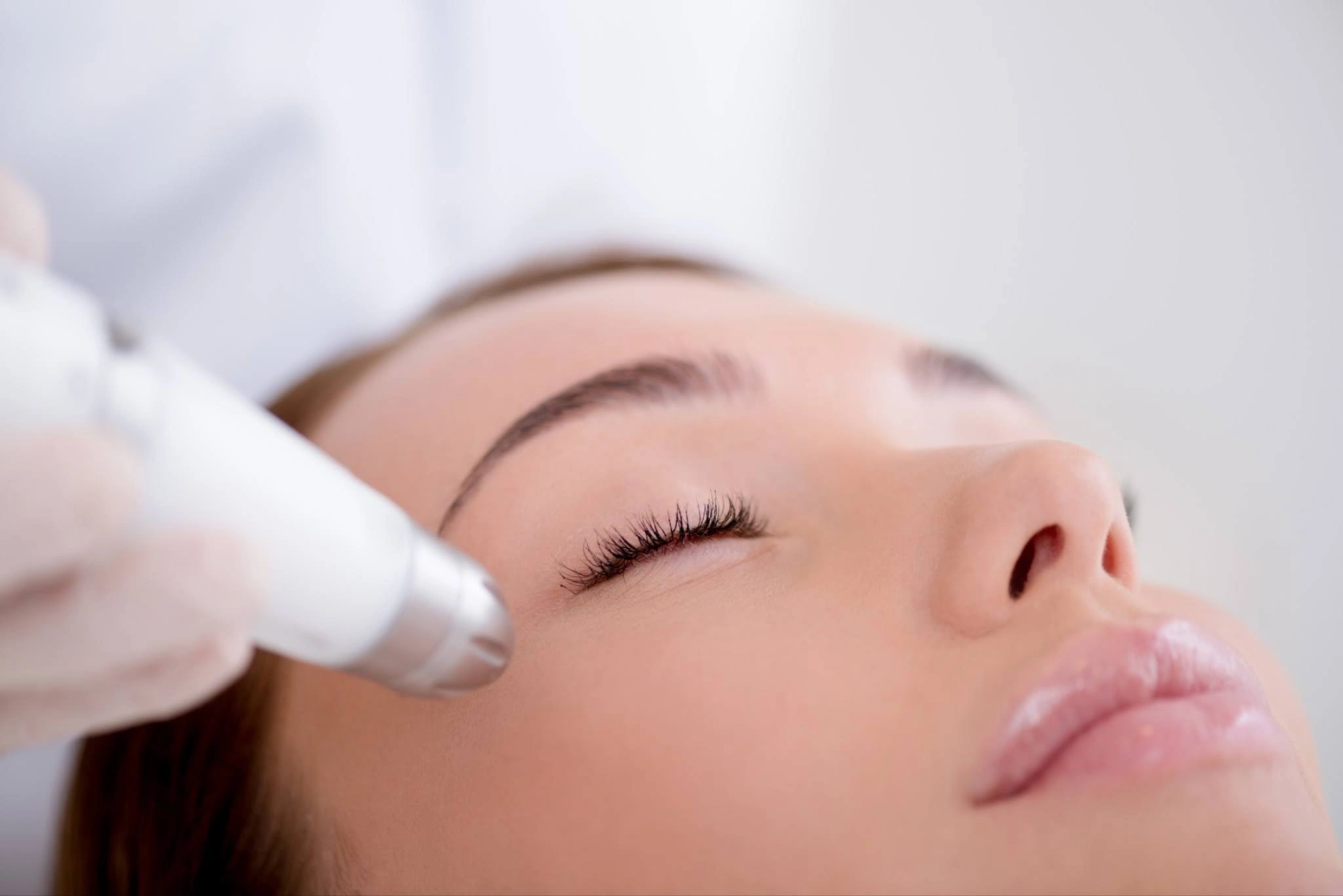
There comes a point when a good skincare routine and regular facials can only take you so far. Your skin may be hydrated and well cared for, but the texture is still there. Fine lines are becoming more noticeable. Old acne scars haven’t budged. Pores look larger, or your skin simply doesn’t feel as firm and smooth as it used to.
That’s where microneedling takes a different approach.
Rather than focusing primarily on the surface of the skin, microneedling in Charleston, SC uses controlled micro-injuries to stimulate the skin’s natural repair response. Over time, that process can support collagen and elastin remodeling, making microneedling an option for concerns ranging from acne scars and uneven texture to fine lines and early changes in firmness.
But not every microneedling treatment is the same. Standard microneedling, PRP, peptides, and Salmon DNA enhancements all bring something different to the conversation. Here’s what to know before deciding which approach makes sense for your skin.
What Does Microneedling Actually Do?
Microneedling is also known as collagen induction therapy, which gives you a pretty good idea of what the treatment is designed to accomplish.
During treatment, very fine needles create tiny, controlled micro-injuries in the skin. These aren’t intended to damage the skin. Instead, they trigger the body’s natural wound-healing response and encourage the processes involved in producing and remodeling collagen and elastin.
That makes microneedling different from treatments that work primarily at the skin’s surface.
A facial may cleanse, exfoliate, extract, or deeply hydrate. Microneedling goes further by creating a controlled response within the skin itself. You may notice some initial brightness once post-treatment redness settles, but the larger changes happen gradually as the skin remodels over the following weeks.
At AURĀE Modern Medical + Spa, standard microneedling treatments use DP Derm technology, with several enhancement options available depending on the treatment selected.
Considering microneedling in Charleston, SC?
Explore the benefits, expected results, costs and treatment options at AURĀE Modern Medical + Spa. Learn what to expect before booking and how a personalized consultation can help you choose the right approach for your skin.
What Are the Benefits of Microneedling?
The benefits of microneedling are largely tied to its ability to support collagen remodeling. Instead of addressing one isolated concern, treatment can be used to improve several aspects of overall skin quality.
Smoother Skin Texture
Roughness isn’t always something another layer of exfoliation can solve. Microneedling may gradually improve uneven texture by stimulating collagen remodeling beneath the surface. As the skin goes through this process, treated areas may begin to look and feel smoother.
This can make it particularly appealing when your skin is well hydrated and cared for but still doesn’t have the smooth, refined texture you’re looking for.
Softer Fine Lines and Wrinkles
Microneedling and Botox aren’t interchangeable. Botox works by temporarily reducing the muscle activity responsible for certain expression lines. Microneedling doesn’t affect those muscles. Instead, microneedling for fine lines focuses on skin quality and collagen, making it more relevant to fine etched lines, texture, and early crepiness.
Some patients may ultimately benefit from both approaches because they’re addressing different parts of skin aging.
Acne Scar Improvement
Textural acne scars are one of the most common reasons people consider microneedling.
Depressed acne scars involve changes in the structure of the skin, which is why surface-level skincare may have limited impact on them. Microneedling for acne scars creates controlled micro-injuries that encourage remodeling within the treated tissue.
Improvement is progressive, and the number of treatments needed can vary depending on the type, depth, and extent of scarring.
Improved Firmness and Elasticity
Collagen and elastin contribute to the skin’s structure and resilience. As their production and organization change with age, skin can begin to look thinner, looser, or more crepey.
By stimulating the skin’s repair response, microneedling may support gradual improvements in firmness and elasticity. The goal isn’t to change the shape of your face. It’s to improve the quality of the skin itself.
More Even-Looking Skin Tone
Microneedling may help improve the appearance of certain types of uneven tone and pigmentation as part of an appropriate treatment plan.
However, microneedling for hyperpigmentation isn’t automatically right for every pigment concern. Different forms of discoloration have different causes, and some require a more targeted approach like melasma treatment. Your provider should evaluate the type of pigmentation you’re dealing with before recommending treatment.
Reduced Appearance of Enlarged Pores
Microneedling doesn’t physically close pores, and pores don’t simply disappear.
Instead, improvements in the texture and firmness of the surrounding skin may make enlarged pores appear less noticeable. This is one reason pore refinement is often considered part of the broader skin-quality improvement patients may notice after treatment.
Overall Skin Quality and Glow
Not everyone comes in with one specific line or scar they want to fix. Sometimes the concern is simply that the skin doesn’t look as healthy as it once did.
By targeting texture, collagen, firmness, and overall skin quality at the same time, microneedling may contribute to skin that looks smoother, firmer, more even, and refreshed as results develop.
What Do Microneedling Results Look Like?
Microneedling results aren’t usually an overnight transformation.
Immediately after treatment, the skin commonly looks red and may feel warm, tight, or sensitive. As that initial response settles, some people notice brighter, fresher-looking skin.
The collagen-remodeling process takes longer. Over the following weeks, changes in texture, firmness, and overall skin quality may gradually become more noticeable.
Concerns such as acne scarring or more significant textural changes may require a series of treatments rather than a single session.
Your results will depend on several factors, including what you’re treating, the condition of your skin, the treatment depth, the number of sessions completed, and how your skin responds.
That’s also why before-and-after photos are most useful as examples of what treatment can accomplish, not promises of what every patient’s skin will look like.
Can You Microneedle Under the Eyes?
Potentially, but the under-eye area requires a more careful approach.
The skin around your eyes is thinner and more delicate than many other areas of the face. Microneedling under the eyes may be considered for concerns such as fine texture, early crepiness, and certain fine lines, with the treatment depth and technique adjusted appropriately for the area.
What it won’t do is correct every under-eye concern. Dark circles can result from pigmentation, visible blood vessels, shadows, genetics, or other factors. Significant hollowness and prominent under-eye bags involve structural issues that microneedling isn’t designed to replace.
If your eyes are the main concern, the first step is identifying what is actually creating the tired or aged appearance before deciding on a treatment.
Does Microneedling Work for Stretch Marks?
Microneedling for stretch marks may be used to improve their appearance by encouraging collagen remodeling within the affected skin. Because stretch marks involve structural changes deeper in the skin, improvement typically takes time and may require multiple treatments.
If stretch marks are one of your concerns, ask your AURĀE provider whether the treatment area is appropriate for microneedling and what kind of results may be realistic for your skin.
How Much Does Microneedling Cost in Charleston, SC?
The cost of microneedling in Charleston, SC depends partly on which version of the treatment you choose.
AURĀE Modern Medical + Spa in Mount Pleasant currently offers several microneedling options with enhanced treatment options also available, ranging from standard DP Derm microneedling to treatments incorporating Lumecin Salmon DNA and Toskani MD.
Below are the options available to you. For accurate pricing, book a consultation or give us a call.
Considering microneedling in Charleston, SC?
Your skin goals deserve a personalized plan. Talk with the team at AURĀE Modern Medical + Spa about microneedling and which treatment options may suit your needs. Call 843-300-1800 to get started.
Standard DP Derm Microneedling
This is AURĀE’s foundational microneedling option using DP Derm technology. It’s designed to support collagen production and address concerns such as uneven texture, acne scars, fine lines, skin elasticity, and overall skin quality.
If your main goal is the collagen-induction benefits of microneedling itself, this is the starting point in AURĀE’s current treatment menu.
Microneedling + Lumecin Salmon DNA
This treatment combines microneedling with Lumecin Salmon DNA, which AURĀE describes as an enhancement intended to support skin elasticity and rejuvenation.
It may be considered by patients interested in adding a regenerative-focused component to their microneedling treatment.
Microneedling + Toskani MD Peptides
Microneedling with peptides pairs DP Derm microneedling with a Toskani MD 3cc cocktail. AURĀE positions this option toward concerns related to aging and skin firmness.
The addition is intended to complement the microneedling treatment rather than replace the collagen-induction process itself.
Premium Microneedling: Toskani + Lumecin
This option combines the Toskani MD and Lumecin enhancements with microneedling in a single treatment. It may be considered for patients whose treatment plan calls for both additions rather than one enhancement alone.
Which option makes sense depends on your skin, the concerns being addressed, and what your provider recommends after evaluating your goals. An enhanced treatment isn’t necessarily needed simply because it’s available.
What Is Microneedling With PRP?
PRP stands for platelet-rich plasma. Unlike peptide cocktails or commercially manufactured products that may be incorporated into aesthetic treatments, PRP is prepared from the patient’s own blood.
A small blood sample is collected and processed to concentrate the platelet-rich portion. Platelets contain growth factors involved in the body’s normal tissue-repair processes, which is why PRP is used in regenerative aesthetics.
With microneedling with PRP, platelet-rich plasma is incorporated into a microneedling treatment. You may also see this described as PRP microneedling or microneedling PRP.
PRP isn’t the same as adding peptides, Salmon DNA, or another manufactured enhancement to a microneedling session. Each approach is different, and the appropriate option depends on the treatment being performed and the patient’s goals.
If you want to understand the PRP side in more detail, AURĀE’s dedicated PRP facial guide can give you a closer look at how platelet-rich plasma is prepared and used in aesthetic treatments.
Microneedling vs. a Medical-Grade Facial: Which Should You Choose?
The answer depends less on which treatment sounds more advanced and more on what you’re actually trying to improve.
A medical-grade facial such as DiamondGlow primarily works at the surface. It exfoliates, extracts debris from the pores, and infuses targeted serums while improving hydration and giving the skin a fresh, polished appearance.
Microneedling creates controlled micro-injuries to stimulate a repair response within the skin. That makes it more relevant when the goal involves collagen remodeling, textural acne scars, fine lines, early crepiness, or changes in firmness.
Consider a medical-grade facial if your main goals are:
- Hydration and immediate radiance
- Surface exfoliation
- Smoother-feeling skin
- Congestion and pore cleansing
- A refreshed look before an event
Consider microneedling if your main goals are:
- Improving persistent uneven texture
- Softening the appearance of depressed acne scars
- Addressing fine etched lines or early crepiness
- Improving the appearance of enlarged pores
- Supporting progressive collagen remodeling
- Improving firmness and overall skin quality
They also don’t have to be competing treatments. Someone who regularly gets facials may incorporate microneedling at different points in a broader skincare plan because the treatments are doing different jobs.
If you’re deciding between facial options specifically, AURĀE’s DiamondGlow vs. HydraFacial guide goes deeper into how those treatments compare.
Is Microneedling Worth It?
For the right concern, microneedling can be a worthwhile addition to a long-term skin plan.
It’s particularly relevant if what bothers you isn’t simply dryness or a lack of glow, but changes in the skin itself: persistent texture, acne scarring, fine lines, enlarged-looking pores, early crepiness, or a gradual loss of firmness.
It also occupies a useful middle ground for someone who wants to improve the quality of their skin without necessarily changing facial volume or shape.
The tradeoff is that results require patience. Collagen remodeling takes time, and certain concerns may need multiple treatments. There is also some post-treatment redness and recovery to account for.
Whether standard microneedling or an enhanced option is worthwhile comes down to what you’re treating. Paying for additional ingredients only makes sense when they have a clear role in your treatment plan.
Frequently Asked Questions
Is microneedling painful?
Most patients experience some degree of discomfort, but a topical numbing product is commonly used before treatment to make the procedure more comfortable. Sensation can vary depending on the area being treated and the treatment depth.
How many microneedling sessions will I need?
There isn’t one standard number for everyone. Your treatment plan depends on your starting skin condition and what you’re hoping to improve. Someone treating mild texture may have a different plan from someone undergoing microneedling in Charleston, SC for more established acne scarring.
How much downtime is there after microneedling?
Redness, sensitivity, warmth, and mild swelling can occur after treatment, with the skin sometimes resembling a sunburn initially. The intensity and duration of downtime vary based on treatment depth and individual response. Follow the aftercare instructions provided by your treatment provider.
How should I prepare for a microneedling appointment?
Preparation depends on your skin, current products, medications, and treatment plan. Tell your provider about prescription skincare, recent aesthetic treatments, active breakouts or irritation, and medications that could affect your skin or healing. Your provider can then give you specific pre-treatment instructions.
Can I get microneedling if I already get Botox or facials?
Potentially, yes. The treatments address different concerns and may be incorporated into the same broader aesthetic plan, but they aren’t necessarily performed at the same appointment. If you’re considering microneedling in Charleston, SCalongside Botox, DiamondGlow, chemical peels, or other treatments, your provider can help determine appropriate timing between procedures.
Who should avoid microneedling?
Microneedling isn’t appropriate for every person or every skin condition. Active infections, open wounds, certain inflammatory skin conditions, healing concerns, medications, and other medical factors may affect candidacy. A consultation allows your provider to evaluate your skin and medical history before proceeding.
Ready to Work on More Than the Surface?
If skincare and facials aren’t doing enough for persistent texture, acne scars, fine lines, enlarged-looking pores, or changes in firmness, microneedling may be worth exploring as the next step.
Ready to see which option fits your skin, goals, and budget? Schedule a consultation at AURĀE Modern Medical + Spa in Mount Pleasant.